If you've ever walked outside, heard a buzzing sound, and immediately questioned every life decision that brought you to that exact spot... you're not alone.
Wasps have a reputation for being the neighborhood bullies of the insect world. While some species are quick to defend their nests, others are surprisingly harmless and even beneficial. Knowing the difference can help you avoid unnecessary panic—and maybe save you from sprinting across the yard while your neighbors watch.
Here's a closer look at the most common wasps you'll find around North Texas.
Paper Wasps: The Neighborhood Architects
Paper wasps are one of the most common wasps homeowners encounter. They're named for the paper-like material they create by chewing wood fibers and mixing them with saliva to build their nests.
Their nests resemble upside-down umbrellas with exposed honeycomb cells and are often found under eaves, porch ceilings, fences, sheds, play equipment, and outdoor furniture.
What do they eat?
Paper wasps are actually beneficial predators. They feed caterpillars, flies, and other insects to their developing larvae while the adults enjoy nectar.
Are they aggressive?
Usually, no.
Paper wasps are generally calm when left alone, but they become very protective if someone gets too close to their nest. Accidentally bumping a nest while mowing or reaching under a porch railing can quickly turn into an unpleasant experience.
Hornets: Bigger Buzz, Bigger Attitude
Despite the name, what many Texans call "hornets" are often large aerial yellow jackets or other social wasps.
They build large enclosed paper nests that can hang from trees, shrubs, soffits, or occasionally inside wall voids.
Should you be concerned?
Yes.
Hornets are highly protective of their colonies and will aggressively defend their nest if they feel threatened. Their larger size and louder buzz make them especially intimidating, and for good reason.
If you discover an active hornet nest near your home or where people frequently walk, it's best to leave it alone and have it professionally removed.
Yellow Jackets: Tiny, Fast, and Surprisingly Feisty
If wasps had a reputation contest, yellow jackets would probably win "Most Likely to Ruin a Picnic."
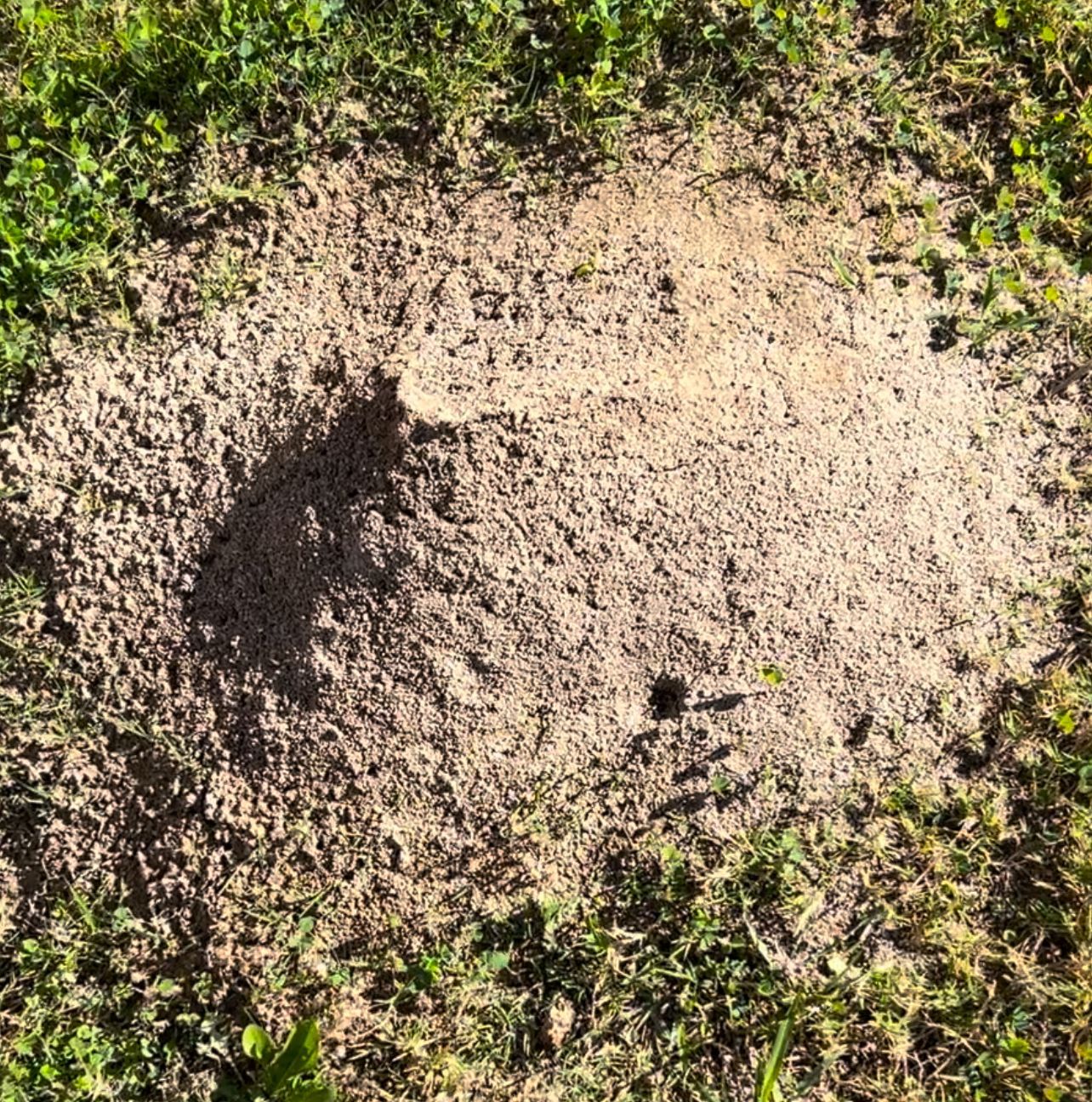
Unlike paper wasps, yellow jackets often build nests underground, inside landscape voids, wall cavities, or other hidden locations.
What attracts them?
Almost everything.
- Sugary drinks
- Grilled meats
- Pet food
- Garbage
- Fallen fruit
They're scavengers, which is why they seem to show up exactly when dinner is served.
Are they dangerous?
Yellow jackets are among the most aggressive stinging insects in North Texas.
Even worse, they can sting multiple times because their stingers don't remain behind like a honey bee's. Disturbing an underground colony while mowing the lawn is one of the most common ways homeowners receive multiple stings.
Cicada Killers: The Gentle Giants
At first glance, cicada killers can be alarming.
They're one of the largest wasps in Texas, sometimes reaching nearly two inches long. Fortunately, their appearance is much scarier than their personality.
What do they do?
Female cicada killers hunt cicadas, paralyze them, and place them in underground burrows as food for their developing young.
They're essentially nature's pest control for cicadas.
Will they sting?
Very rarely.
Females have stingers but are remarkably docile and usually ignore people unless handled.
Males, on the other hand, love to patrol territories and may fly directly toward people. The good news? They can't sting at all. They're basically all buzz and no business.
mud Daubers (dirt Daubers): The Quiet Builders
Mud daubers are among the most beneficial wasps around your home.
Instead of paper nests, they construct narrow tubes from mud on walls, garages, barns, and under eaves.
Why are they beneficial?
They hunt spiders—including black widows—and stock their mud nests with them to feed their larvae.
One mud dauber may remove dozens of spiders from around your property.
Should you leave them alone?
Generally, yes.
Mud daubers are extremely non-aggressive and rarely sting. In most situations, they're welcome guests that quietly help keep spider populations under control.
Should You Remove Every Wasp Nest?
Not necessarily.
Many wasps play an important role in controlling other insect populations and pollinating flowers.
However, nests become a concern when they're located:
- Around entry doors
- Under porches
- Near playgrounds
- Around pools
- On patios
- Near outdoor living areas
- Anywhere children or pets frequently play
When wasps begin sharing your living space, it's time for them to find a new address.
How to Help Prevent Wasp Problems
While no home can be completely wasp-proof, a few simple habits go a long way.
- Inspect eaves and porches regularly during spring.
- Remove small nests before they become established (only if it can be done safely).
- Keep trash cans tightly sealed.
- Clean outdoor eating areas promptly.
- Seal gaps that allow nesting inside structures.
- Trim dense vegetation near the home.
Routine pest inspections can often catch new nests before they become large colonies.
When It's Time to Call a Professional
Attempting to remove a large wasp nest yourself can quickly become dangerous—especially with yellow jackets or hornets.
Professional treatment allows the nest to be removed safely while reducing the chance of repeated stings and helping prevent future nesting around your home.
At
A Bug Guy Pest Services, we help homeowners identify the wasps around their property and recommend the safest, most effective solution. Whether it's an aggressive yellow jacket colony, a paper wasp nest under the eaves, or simply identifying which buzzing visitor you've found, we're here to help.
Because the only thing that should be creating a buzz around your home is your next backyard barbecue—not an angry swarm of wasps.
Need help with wasps around your home? Contact A Bug Guy Pest Services today for a free quote and let us help you reclaim your outdoor spaces.