
Cricket Control: Keeping the Chirps in Check

sam • October 1, 2024

Crickets—while their night-time symphonies might be charming for a while, they can easily become unwanted guests when they decide to move into or around your home. These tiny insects, though mostly harmless, can quickly turn into a nuisance if they aren’t kept in check. But don’t worry! We have some tips so you can reclaim your space without losing your cool.

Meet the Culprit: crickets

Before we jump into how to control crickets, it’s good to know a bit about them. The most common indoor invader is the house cricket (Acheta domesticus). These little critters are attracted to warm, moist environments—think basements, kitchens, laundry rooms, or flower beds, sprinkler modules, leaky AC drains. Crickets love to chirp, especially the males who use that iconic sound to attract mates. Charming, right? Not when you’re trying to sleep.
Unfortunately, they can come in such large numbers that is impossible to walk outside without crunching on them.  Yuck!  Especially not fun if your leave the top off the convertible!

The Cricket Control Toolbox

There are plenty of ways to handle crickets, from natural solutions to more targeted approaches. Let’s break it down!
1. Seal the Deal: Block Their Entry
First things first—prevent crickets from coming inside by sealing cracks, gaps, and openings around doors, windows, and vents. Crickets are sneaky and can fit through the tiniest spaces. Think of this as closing down their backstage access to your house. Weatherstripping, caulk, and mesh screens are all great tools to stop these chirping invaders.
2. Dry it Out: Crickets Hate Dry Places
Crickets thrive in moisture, so reducing humidity in and around your home is key to making it less appealing to them. Use dehumidifiers in damp areas like basements, and fix any leaks around pipes or faucets. Reduce watering or drip line frequency, fix AC leaks, and grade the soil to allow for better runoff.  Not only will this make crickets uncomfortable, but it’ll also help with other pests like silverfish and centipedes. Bonus!
3. Turn Off the Lights
Crickets are attracted to bright lights—kind of like moths, but louder! Reducing outdoor lighting or switching to yellow, insect-resistant bulbs can help prevent crickets from gathering near doors and windows, making it less likely for them to come around.
4. Let Nature Handle It
There’s a natural army ready to take on your cricket problem—spiders, lizards, and birds all love to snack on crickets. If you have a healthy backyard ecosystem, these predators can help keep cricket populations under control. Just think of it as outsourcing pest control to Mother Nature.
5. Set a Trap: Bait ‘Em In
Sticky traps and DIY bait stations can also help manage cricket infestations. We've heard that you can make your own bait by mixing molasses with water and placing it in shallow containers where crickets are active. They’ll be attracted to the sweet smell but won’t be able to escape.  Let us know if it works for you!
The Friendly Reminder: Crickets Aren’t All Bad!
Despite their noisy habits, crickets are actually beneficial to the environment. They help break down organic matter, aerate the soil, and serve as food for other animals. So, if you’re dealing with a cricket invasion, remember it’s not personal—they’re just trying to survive!

Calling in the Pros

If the crickets are still chirping away after your DIY efforts, it might be time to bring in the professionals. Pest control services can help you get rid of stubborn infestations and provide long-term solutions to prevent future cricket invasions.

Chirp-Free Living Is Possible!

With the right combination of prevention, natural remedies, and a little bit of patience, you can control crickets and enjoy your space without the constant chirping. So next time you hear that familiar sound in the middle of the night, take a deep breath—you’ve got this under control. Say goodbye to uninvited cricket concerts and hello to peaceful, quiet nights!

Stay safe out there!

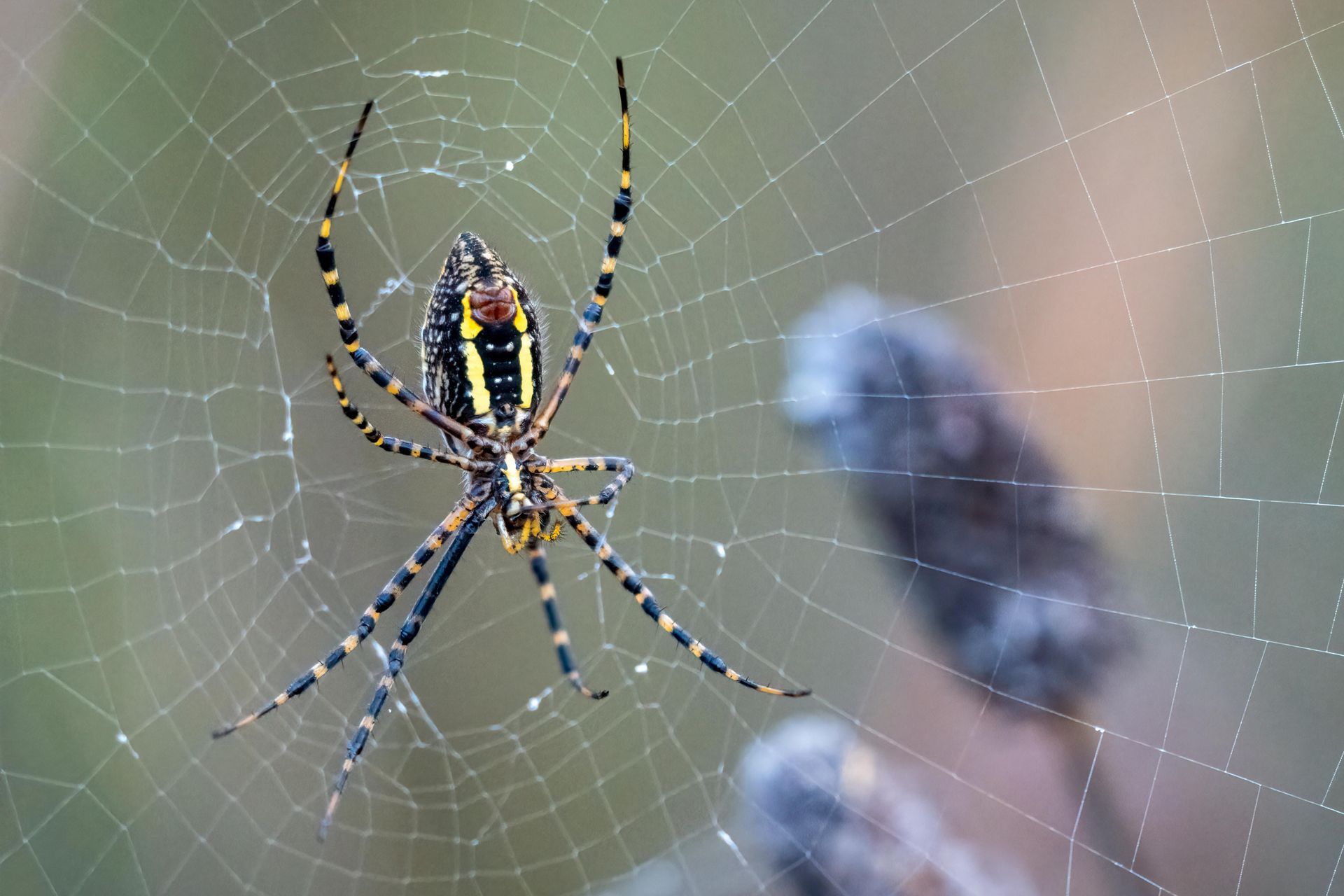
Garden Spider
By Sam Wood July 18, 2026
Identify common North Texas spiders, learn which are harmless, and know when professional spider control may be needed.
By Sam Wood July 12, 2026
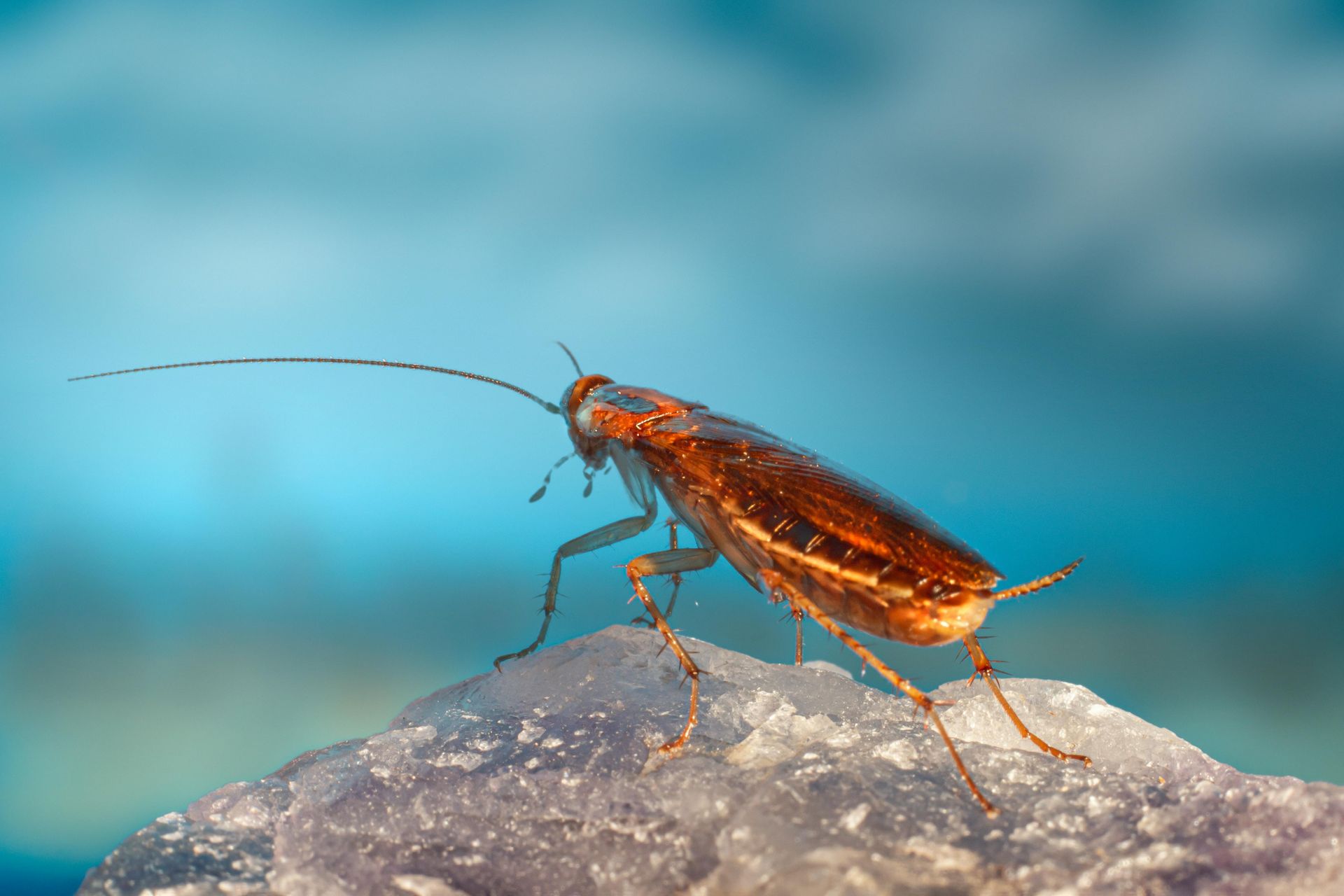
Identify common cockroach species in North Texas and learn how to prevent and control infestations around your home.
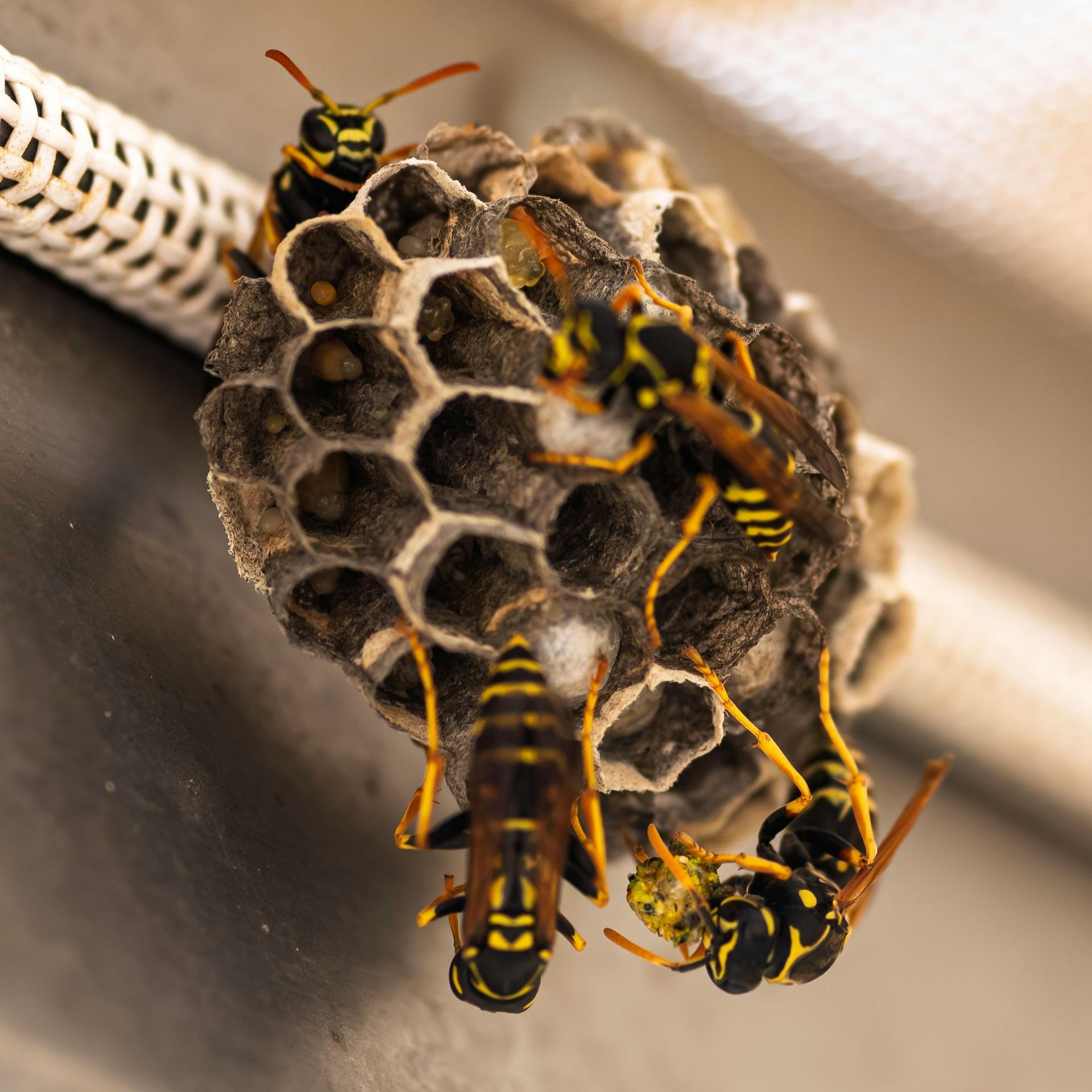
PaperWaspNest
By Sam Wood June 27, 2026
Identify paper wasps, mud daubers, yellow jackets, and other North Texas wasps, plus learn when professional help is safest.
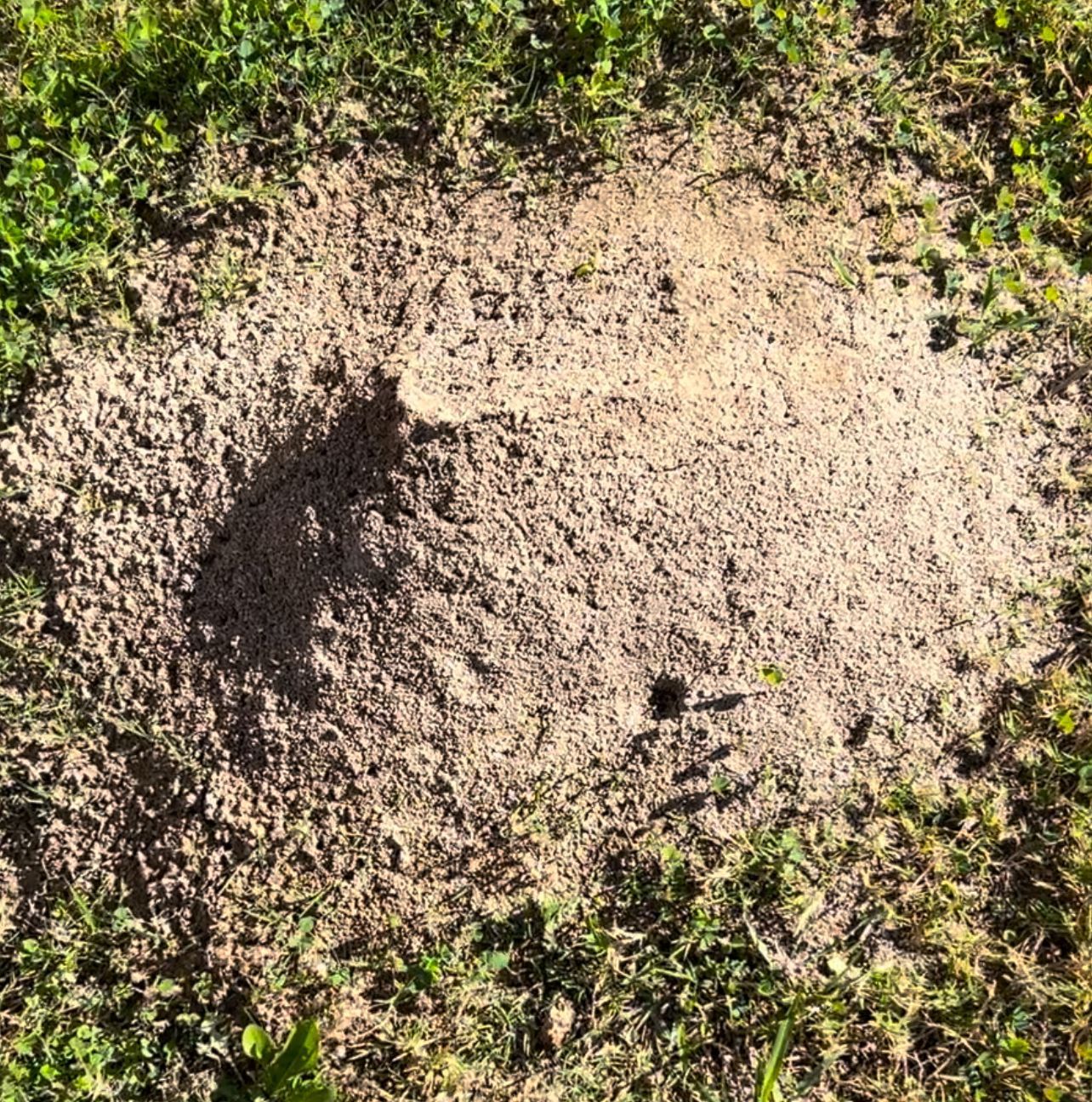
By sam February 3, 2025
Learn how to identify fire ants, avoid painful stings, and protect your North Texas home, family, pets, and yard.
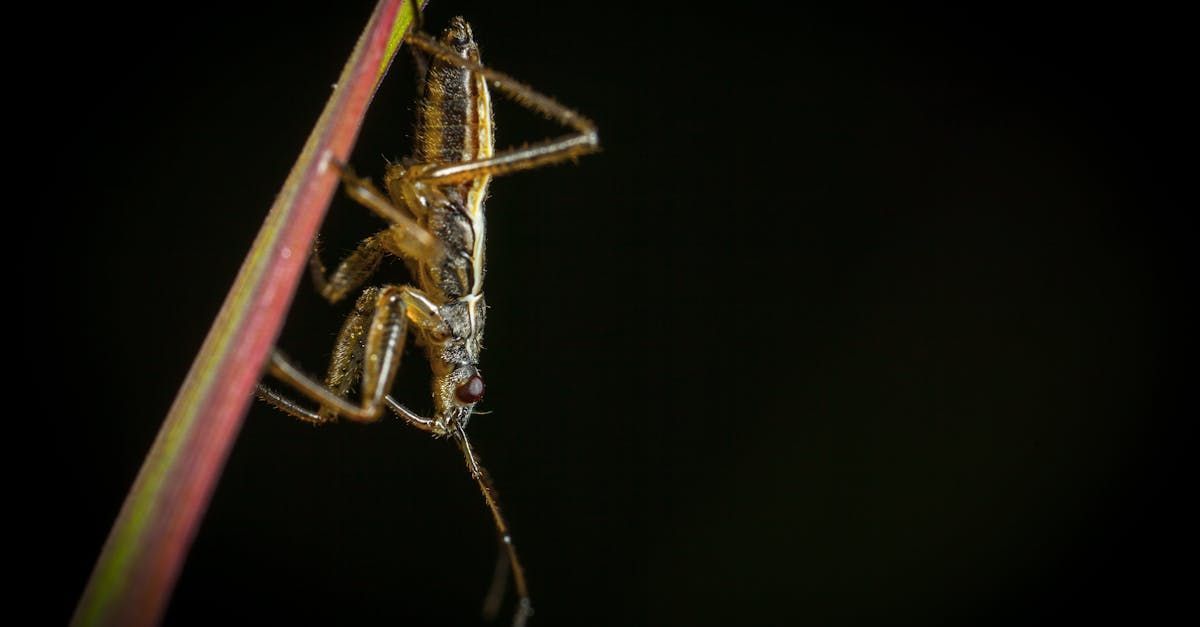
By sam May 13, 2024
Not sure what bug you found? Explore common North Texas pests and learn how to identify them around your home or property.
By sam April 22, 2024
Discover why careful pest control application matters and how A Bug Guy protects North Texas homes, families, and pets.
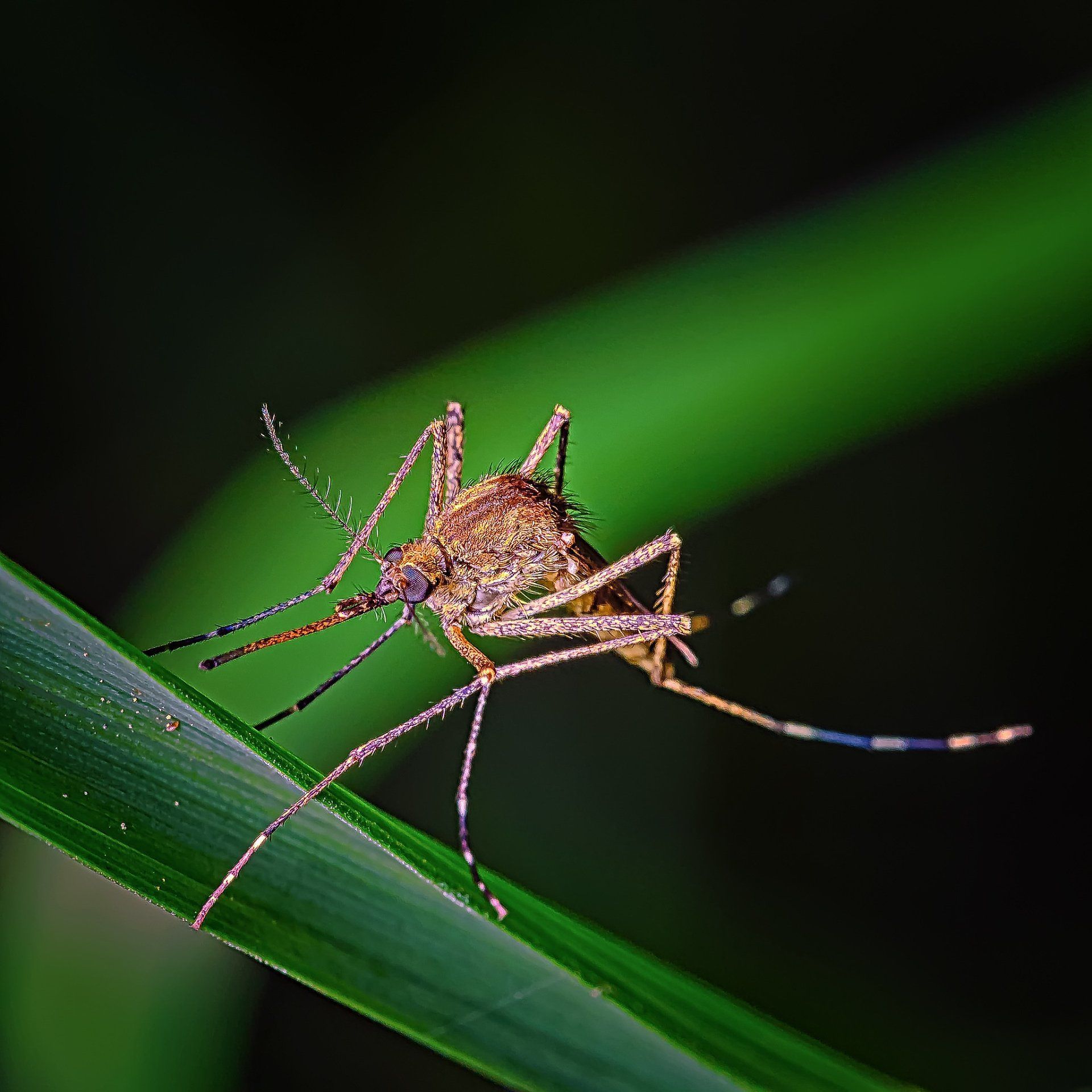
April 15, 2024
Reduce mosquitoes around your North Texas home with practical prevention tips that help your family enjoy the yard safely.

By sam April 8, 2024
Learn why A Bug Guy Pest Services was created and how our family-owned team helps protect North Texas homes and families.

July 17, 2023
Learn where chiggers hide, how to avoid itchy bites, and how to protect your family while enjoying the North Texas outdoors.
June 7, 2023
Learn what attracts flies, how infestations begin, and practical ways to control flies around your North Texas home or business.

Show More