Fire Ants: Tiny Warriors with a Fiery Bite
sam • February 3, 2025
Fire ants: the name alone can send shivers down your spine if you've ever had the misfortune of stepping on a mound. These tiny creatures are more than just your average ant—they are fierce, fascinating, and sometimes, downright terrifying. But there’s a lot more to fire ants than their infamous sting. Let’s dive into the world of these little warriors and explore what makes them so unique.
Who Are the Fire Ants?
Fire ants belong to the genus *Solenopsis*, and there are over 200 species spread across the globe. The most notorious, however, is the red imported fire ant (*Solenopsis invicta*), native to South America but now widespread in the U.S. and other parts of the world. Known for their aggressive nature and painful stings, fire ants are not to be underestimated. But despite their bad reputation, these insects are quite remarkable.
Life in the Colony
Like other ants, fire ants live in colonies that can number in the hundreds of thousands. A typical fire ant colony has a strict hierarchy:
- The Queen: The most important member of the colony, the queen's primary role is to lay eggs—sometimes thousands a day! She can live for up to seven years, ensuring the colony's continuity. - The Workers: These sterile females do everything from foraging for food, tending to the queen, and defending the nest. They live short, busy lives, usually only a few months. - The Soldiers: Larger than the workers, these ants have one job—defend the colony from predators or invaders. They’re the ones you’re likely to meet if you accidentally disturb their mound. - The Drones: Male fire ants have a singular purpose: mate with the queen. Once their job is done, they die shortly after.
Fire ants are highly organized and efficient, working together to ensure the colony’s survival.
- The Queen: The most important member of the colony, the queen's primary role is to lay eggs—sometimes thousands a day! She can live for up to seven years, ensuring the colony's continuity. - The Workers: These sterile females do everything from foraging for food, tending to the queen, and defending the nest. They live short, busy lives, usually only a few months. - The Soldiers: Larger than the workers, these ants have one job—defend the colony from predators or invaders. They’re the ones you’re likely to meet if you accidentally disturb their mound. - The Drones: Male fire ants have a singular purpose: mate with the queen. Once their job is done, they die shortly after.
Fire ants are highly organized and efficient, working together to ensure the colony’s survival.
That Fiery Sting!
The one thing that sets fire ants apart from other ants is their sting, and it’s no joke. When a fire ant bites, it latches onto your skin and then injects venom through its stinger, leaving behind a burning sensation that can last for hours. The venom contains alkaloids, which cause the characteristic red bumps and even pustules that appear on the skin after being stung. Some people are allergic to fire ant stings, and in rare cases, these stings can cause severe allergic reactions known as anaphylaxis.
Fun fact: Fire ants don’t just sting once—they can sting repeatedly, making them even more formidable!
Fire Ants vs. the World
These ants are fierce fighters not only when defending their colony but also when taking over new territories. They are known to disrupt local ecosystems and outcompete native species wherever they invade. In the U.S., fire ants are considered a major agricultural pest, causing millions of dollars in damage annually to crops and livestock.
But it’s not all bad news. Fire ants also help control other pests, such as ticks and certain crop-destroying insects. This double-edged nature makes them both a friend and foe in many ecosystems.
Fire Ants on the Move
One of the most impressive traits of fire ants is their adaptability. They are excellent survivors, even in extreme conditions. During floods, fire ants have been known to create living rafts by linking together, allowing them to float on water until they find dry land. These ant rafts can survive for weeks, carrying the queen and young ants to safety. Their resilience and cooperation are truly remarkable!
How to Handle a Fire Ant Invasion
If you find fire ants in your yard, it's important to act fast. These ants can spread quickly and become a real problem. Here's what you can do:
1. Locate the Mounds: Fire ants build distinctive dome-shaped mounds, usually in sunny areas. These mounds can be deceptively small, but beneath the surface, the colony can extend deep underground. 2. Use Baits and Insecticides: There are specialized products designed to kill fire ant colonies. Baits are effective because worker ants carry the poisoned food back to the colony, eventually reaching the queen. 3. Call in the Pros: For severe infestations, professional pest control might be the best option.
Fire Ants: Tiny Engineers?
While fire ants are often viewed as pests, they are also incredibly resourceful. Their ability to build intricate tunnel systems and coordinate in such large numbers has inspired engineers and scientists. Studying fire ant colonies has helped researchers understand complex systems, from traffic flow to robotics, proving that even tiny creatures can teach us big lessons.
The Final Word
Love them or hate them, fire ants are some of nature’s most fascinating insects. They are a perfect example of how even the smallest creatures can have a massive impact on the world around them. So, the next time you see a fire ant mound, take a moment to marvel at the intricate society that lies beneath the surface—just make sure to keep your distance!
Stay Safe out There!

By Sam Wood
•
June 27, 2026
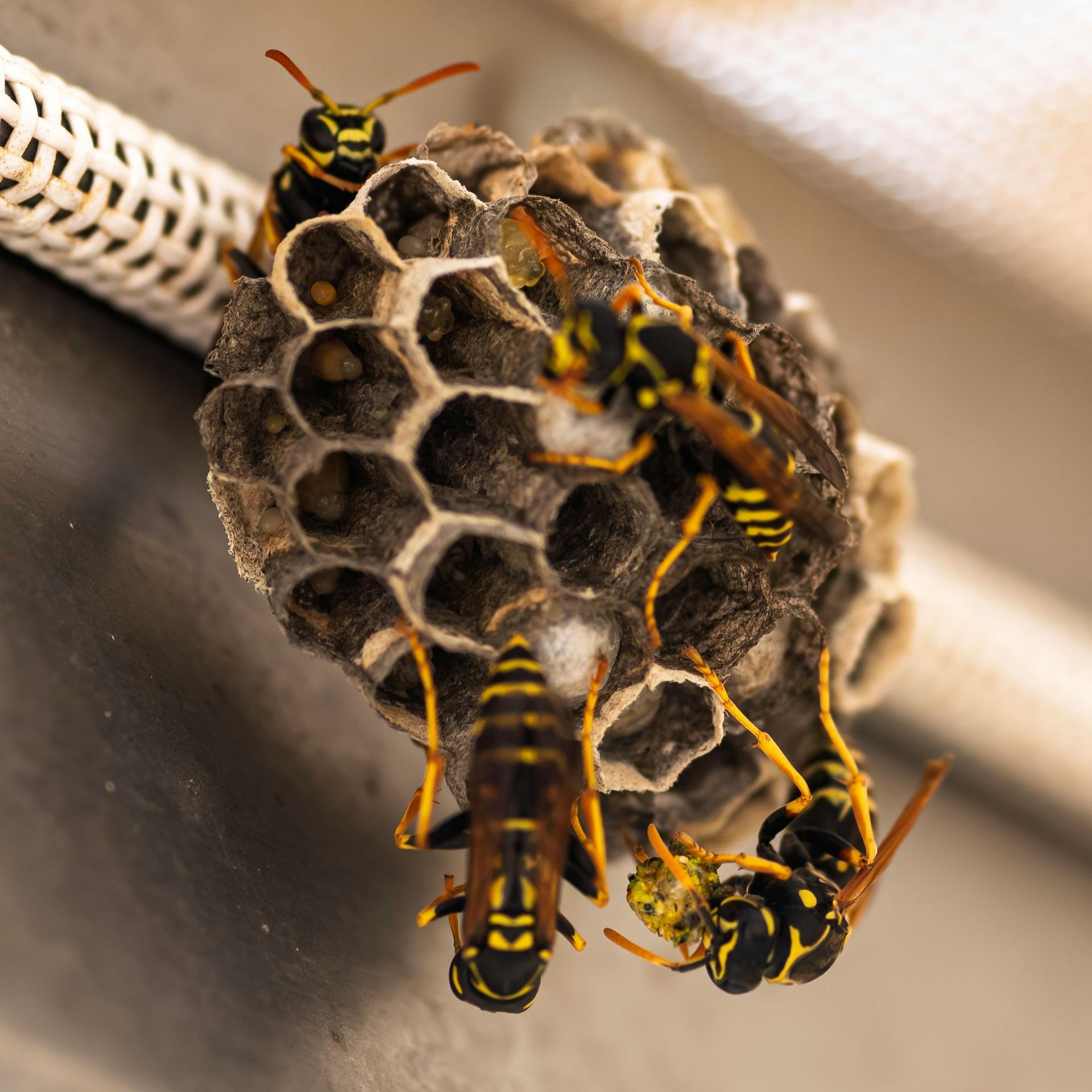
If you've ever walked outside, heard a buzzing sound, and immediately questioned every life decision that brought you to that exact spot... you're not alone. Wasps have a reputation for being the neighborhood bullies of the insect world. While some species are quick to defend their nests, others are surprisingly harmless and even beneficial. Knowing the difference can help you avoid unnecessary panic—and maybe save you from sprinting across the yard while your neighbors watch. Here's a closer look at the most common wasps you'll find around North Texas. Paper Wasps: The Neighborhood Architects Paper wasps are one of the most common wasps homeowners encounter. They're named for the paper-like material they create by chewing wood fibers and mixing them with saliva to build their nests. Their nests resemble upside-down umbrellas with exposed honeycomb cells and are often found under eaves, porch ceilings, fences, sheds, play equipment, and outdoor furniture. What do they eat? Paper wasps are actually beneficial predators. They feed caterpillars, flies, and other insects to their developing larvae while the adults enjoy nectar. Are they aggressive? Usually, no. Paper wasps are generally calm when left alone, but they become very protective if someone gets too close to their nest. Accidentally bumping a nest while mowing or reaching under a porch railing can quickly turn into an unpleasant experience. Hornets: Bigger Buzz, Bigger Attitude Despite the name, what many Texans call "hornets" are often large aerial yellow jackets or other social wasps. They build large enclosed paper nests that can hang from trees, shrubs, soffits, or occasionally inside wall voids. Should you be concerned? Yes. Hornets are highly protective of their colonies and will aggressively defend their nest if they feel threatened. Their larger size and louder buzz make them especially intimidating, and for good reason. If you discover an active hornet nest near your home or where people frequently walk, it's best to leave it alone and have it professionally removed. Yellow Jackets: Tiny, Fast, and Surprisingly Feisty If wasps had a reputation contest, yellow jackets would probably win "Most Likely to Ruin a Picnic." Unlike paper wasps, yellow jackets often build nests underground, inside landscape voids, wall cavities, or other hidden locations. What attracts them? Almost everything. Sugary drinks Grilled meats Pet food Garbage Fallen fruit They're scavengers, which is why they seem to show up exactly when dinner is served. Are they dangerous? Yellow jackets are among the most aggressive stinging insects in North Texas. Even worse, they can sting multiple times because their stingers don't remain behind like a honey bee's. Disturbing an underground colony while mowing the lawn is one of the most common ways homeowners receive multiple stings. Cicada Killers: The Gentle Giants At first glance, cicada killers can be alarming. They're one of the largest wasps in Texas, sometimes reaching nearly two inches long. Fortunately, their appearance is much scarier than their personality. What do they do? Female cicada killers hunt cicadas, paralyze them, and place them in underground burrows as food for their developing young. They're essentially nature's pest control for cicadas. Will they sting? Very rarely. Females have stingers but are remarkably docile and usually ignore people unless handled. Males, on the other hand, love to patrol territories and may fly directly toward people. The good news? They can't sting at all. They're basically all buzz and no business. mud Daubers (dirt Daubers): The Quiet Builders Mud daubers are among the most beneficial wasps around your home. Instead of paper nests, they construct narrow tubes from mud on walls, garages, barns, and under eaves. Why are they beneficial? They hunt spiders—including black widows—and stock their mud nests with them to feed their larvae. One mud dauber may remove dozens of spiders from around your property. Should you leave them alone? Generally, yes. Mud daubers are extremely non-aggressive and rarely sting. In most situations, they're welcome guests that quietly help keep spider populations under control. Should You Remove Every Wasp Nest? Not necessarily. Many wasps play an important role in controlling other insect populations and pollinating flowers. However, nests become a concern when they're located: Around entry doors Under porches Near playgrounds Around pools On patios Near outdoor living areas Anywhere children or pets frequently play When wasps begin sharing your living space, it's time for them to find a new address. How to Help Prevent Wasp Problems While no home can be completely wasp-proof, a few simple habits go a long way. Inspect eaves and porches regularly during spring. Remove small nests before they become established (only if it can be done safely). Keep trash cans tightly sealed. Clean outdoor eating areas promptly. Seal gaps that allow nesting inside structures. Trim dense vegetation near the home. Routine pest inspections can often catch new nests before they become large colonies. When It's Time to Call a Professional Attempting to remove a large wasp nest yourself can quickly become dangerous—especially with yellow jackets or hornets. Professional treatment allows the nest to be removed safely while reducing the chance of repeated stings and helping prevent future nesting around your home. At A Bug Guy Pest Services , we help homeowners identify the wasps around their property and recommend the safest, most effective solution. Whether it's an aggressive yellow jacket colony, a paper wasp nest under the eaves, or simply identifying which buzzing visitor you've found, we're here to help. Because the only thing that should be creating a buzz around your home is your next backyard barbecue—not an angry swarm of wasps. Need help with wasps around your home? Contact A Bug Guy Pest Services today for a free quote and let us help you reclaim your outdoor spaces.

By sam
•
October 1, 2024
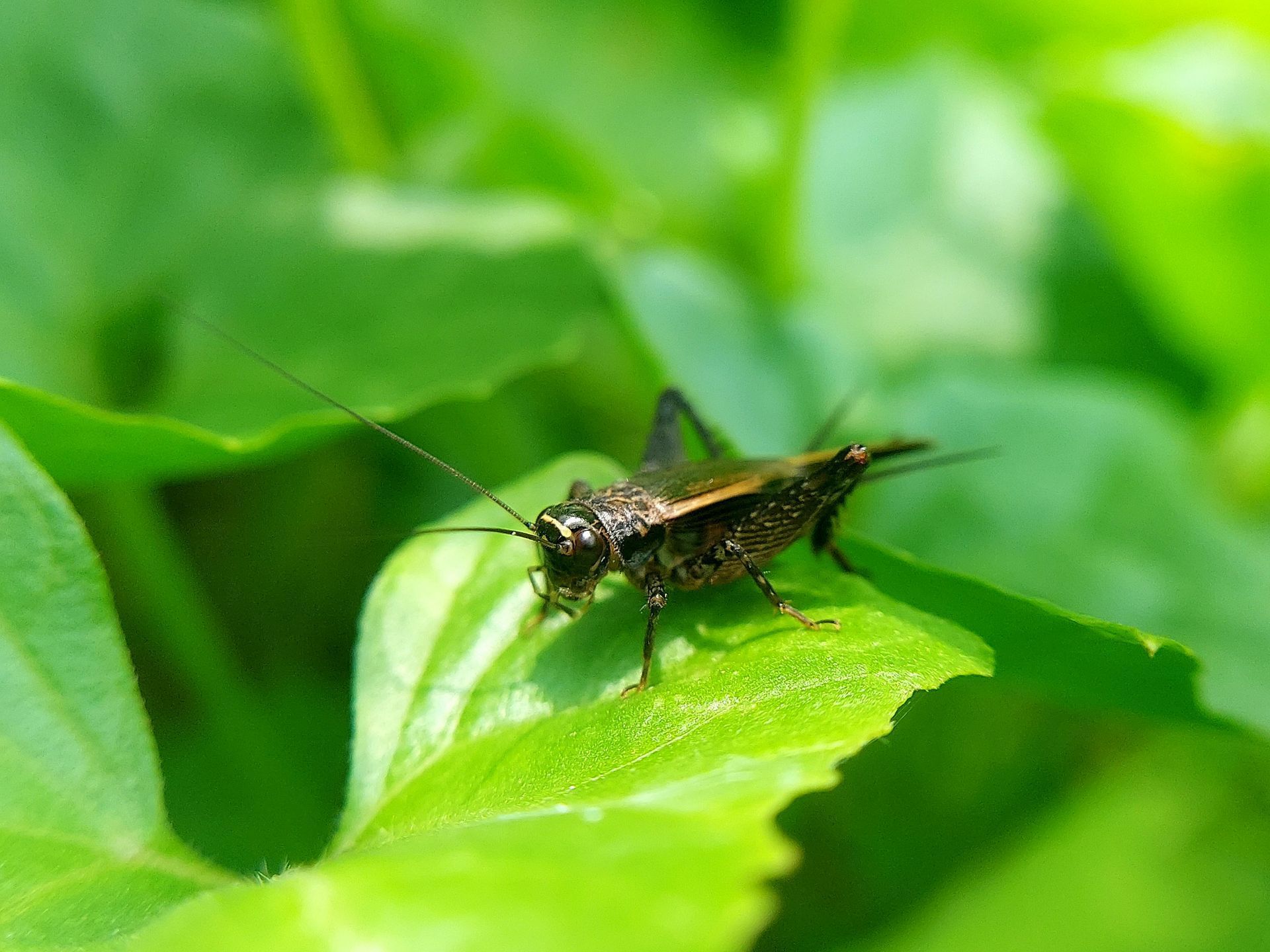
Crickets—while their night-time symphonies might be charming for a while, they can easily become unwanted guests when they decide to move into or around your home. These tiny insects, though mostly harmless, can quickly turn into a nuisance if they aren’t kept in check. But don’t worry! We have some tips so you can reclaim your space without losing your cool.

By sam
•
May 13, 2024
In this article, we will lightly discuss a few insects that many people find highly annoying. Each of these has a rather distinct season and generally are best to be left alone unless it is affecting your ability to enjoy life. These insects are not dangerous to humans. This list is organized in order of general emergence in north Texas. We thought about listing them in order of annoyance, but decided we didn’t want to rock that boat too much. And a forewarning... if you are looking for highly technical information, this is not for you. This is intended to be a fun conversation with some pertinent information here and there.

April 15, 2024
Discover effective mosquito control strategies and the importance of professional pest services. Learn how to protect your home and health from these pervasive pests. Stay informed and protect your health by considering professional mosquito control services. Visit A Bug Guy website or contact us to learn more about our environmentally friendly and effective solutions tailored to your specific needs.